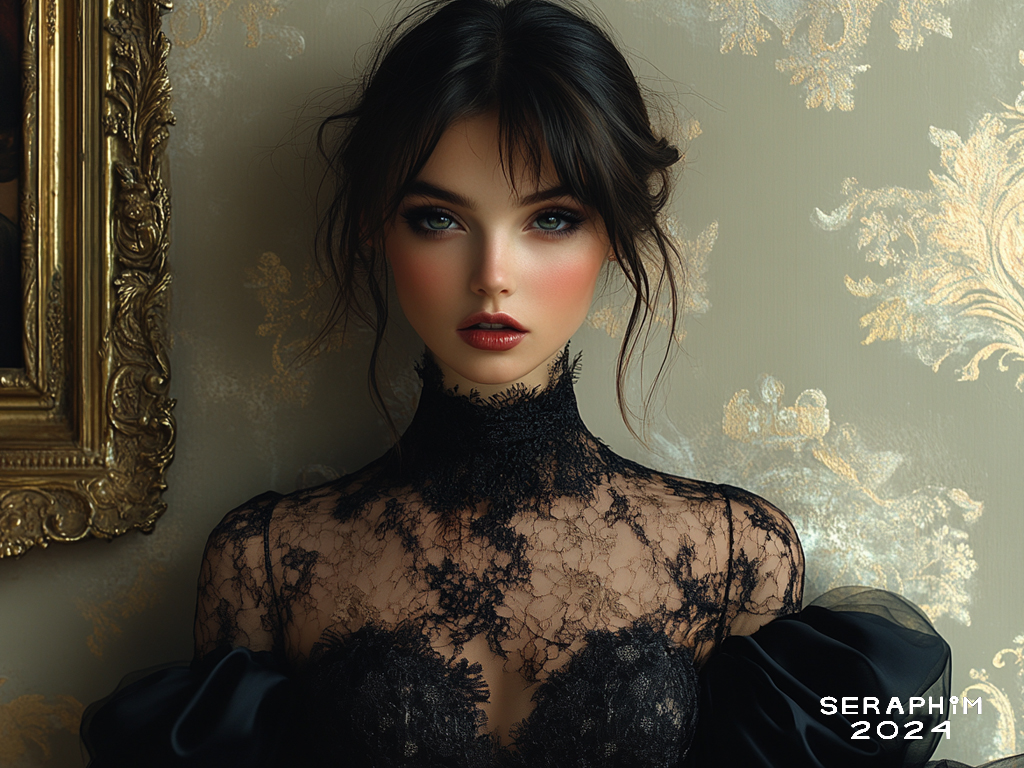
Sprites

Though similar to Golden Fae, sprites are much smaller, usually the size of a human child, though often smaller…
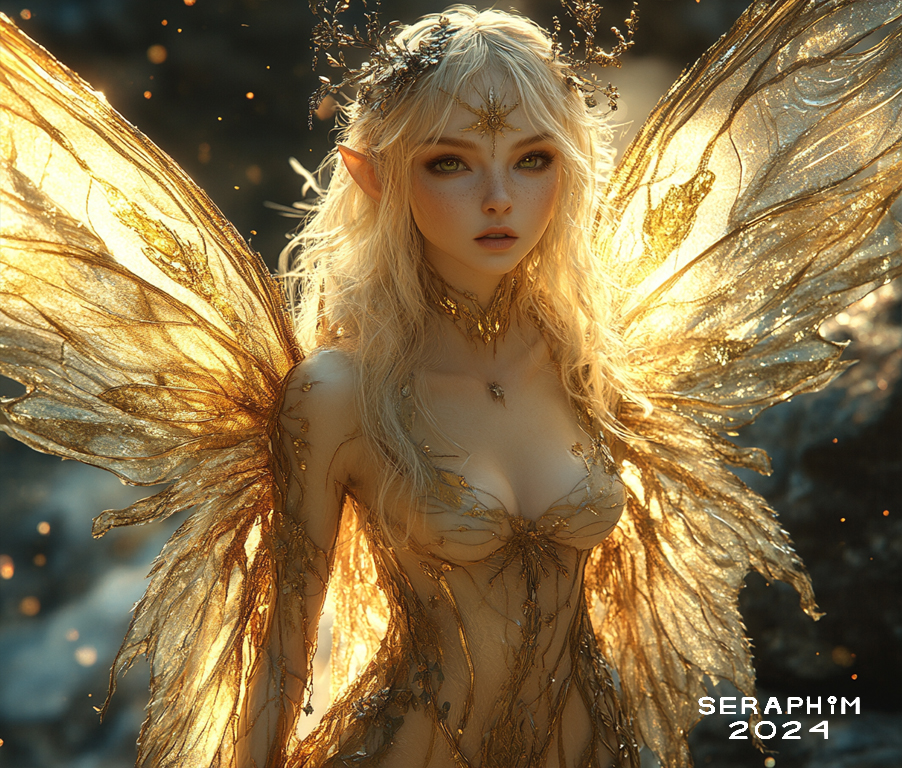
… their wings are also a lot smaller, often no more than vestigial reminders of what they once were, millenia ago… they can still fly, but not very high, and not very far…

… they often have stunning, golden eyes…

… and while sprites are incredibly beautiful, humans can look at their beauty without losing their minds…
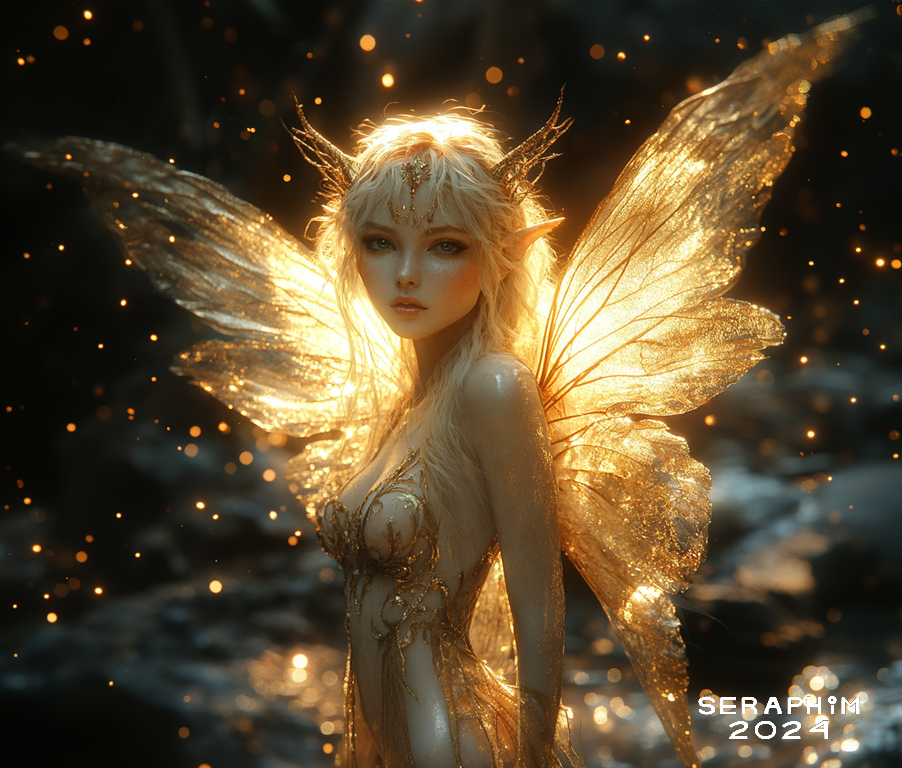
… but they are just as inscrutable to the human mind as their grander relatives are, and often mischievous, playing strange games, the rules to which are beyond human ken, so, once again, as with human-golden interactions, human-sprite interactions generally end badly for humans…

… and sprites don’t spend a lot of time worrying about these things, there’s too much fun to be had everywhere they look.

Golden Fae

The Fae have lived on Earth since before humans learned to make tools…

… oldest, and most enigmatic, are the ‘Golden Fae’. The ‘Golden Ones’ are the elite Fae… they it was who were charged by the even more enigmatic ‘Elder Ones’ to survey and secure the Earth for the arrival of all the other Fae…

… these creatures are the cause of all human myth about ‘angels’… even the legend of Icarus is based on a tragedy that really happened, but to an elite Fae, not a human…

… Golden Fae are ethereally beautiful…

… far too beautiful for mortals to behold, which is why humans evolved a mechanism in their minds that usually prevents them from seeing these astonishing beings. When they do see them, the story is always the same… one of madness caused by impossible desire and sheer lack of any kind of affinity between the races. Even when Golden Fae genuinely try to relate to humans, it’s impossible, for they, themselves, cannot help the strength of their affect on them, and things almost always end badly for the human… the few times they don’t end badly, the result is a human who is no longer totally ‘human’…

… humans have lusted after gold since before they even knew how to remove it from the earth… not because of anything intrinsic in the metal, but because of their encounters with these mind-blastingly gorgeous, golden beings.

A Selection

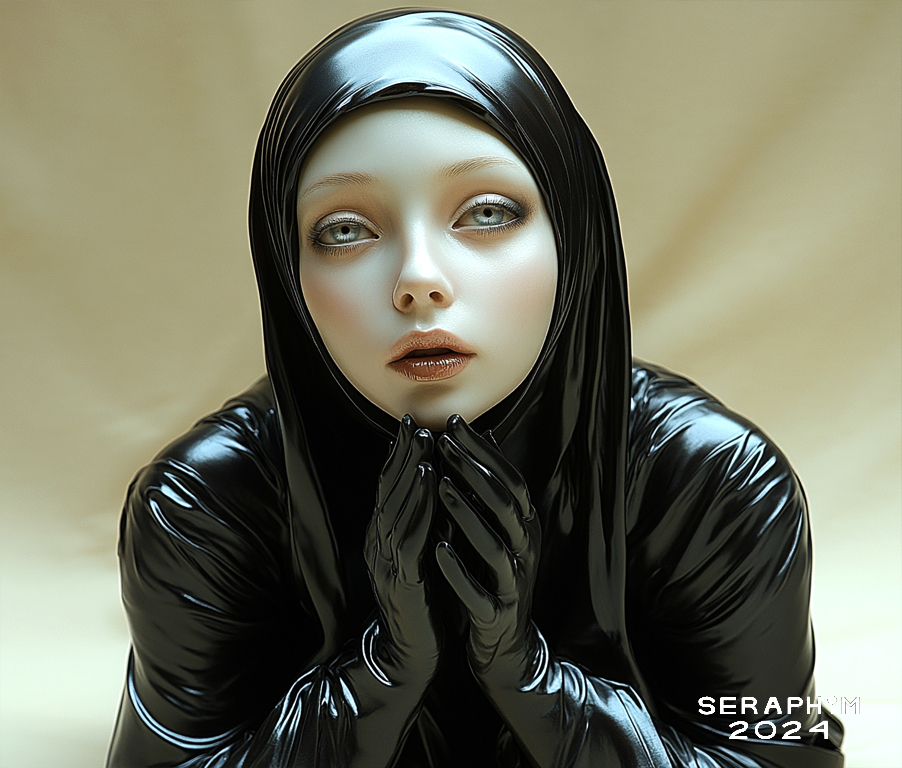
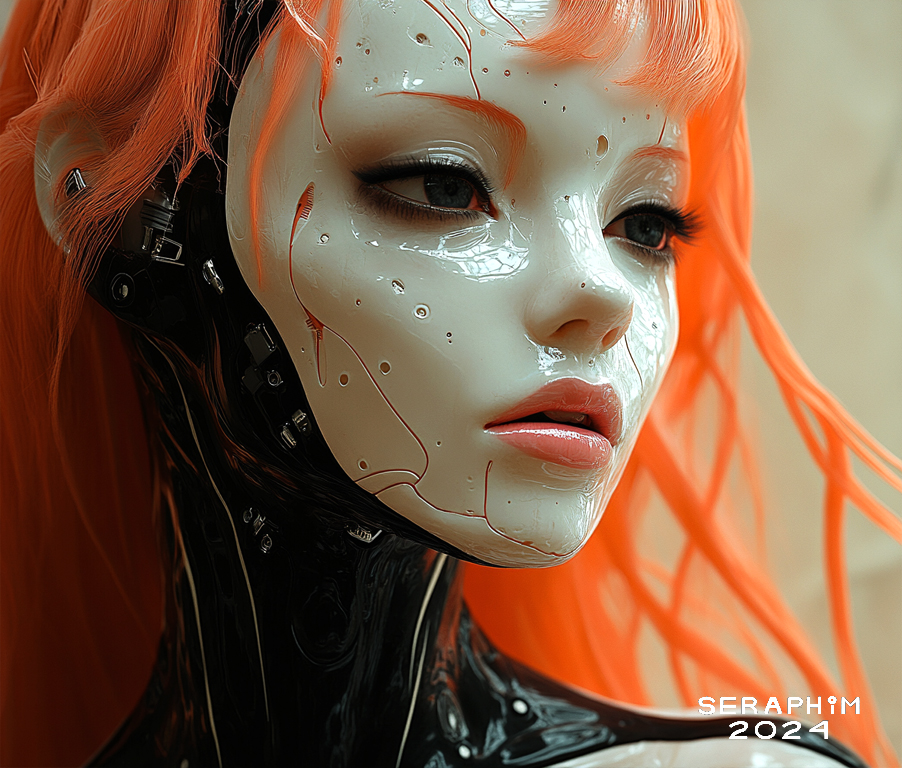
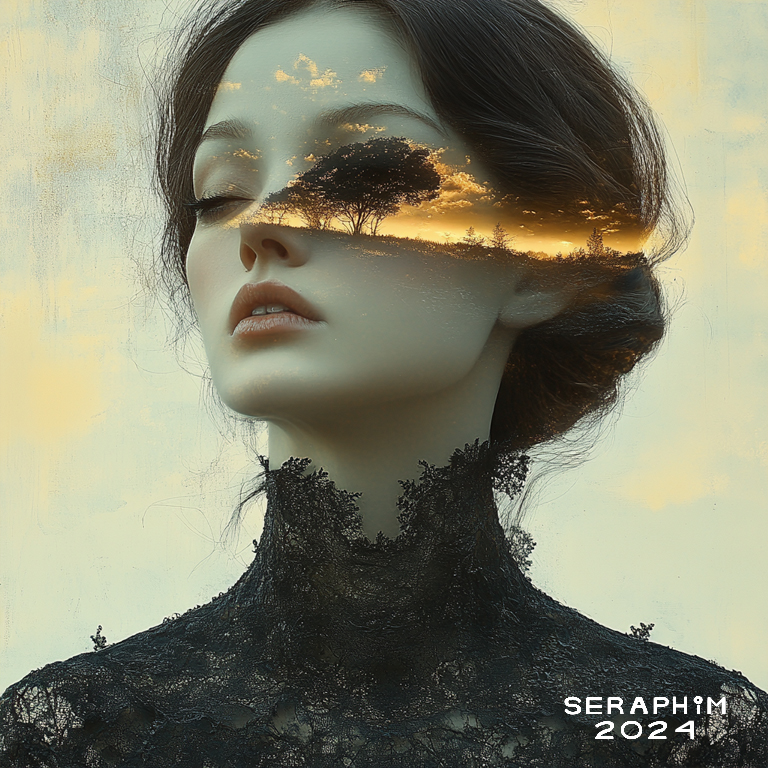
Here is a random selection of our recent frenzied Mj output… which we have toned back, as we can feel the twinges of returning RSI, and we totally don’t want that to flare up, again…

… as with our last Mj binge, we have created far more gorgeous images than we know what to do with…

… each image is the tip of a cascading iceberg of possibilities, which we have a lot of trouble not following, so we wind up going down avenues we never intended to follow…

… often a wonderful image will simply not yield a similar result, and some of these images are pretty much one-off flukes we couldn’t pursue further…

… but we love all these images…

… all the wonderful colours and textures.

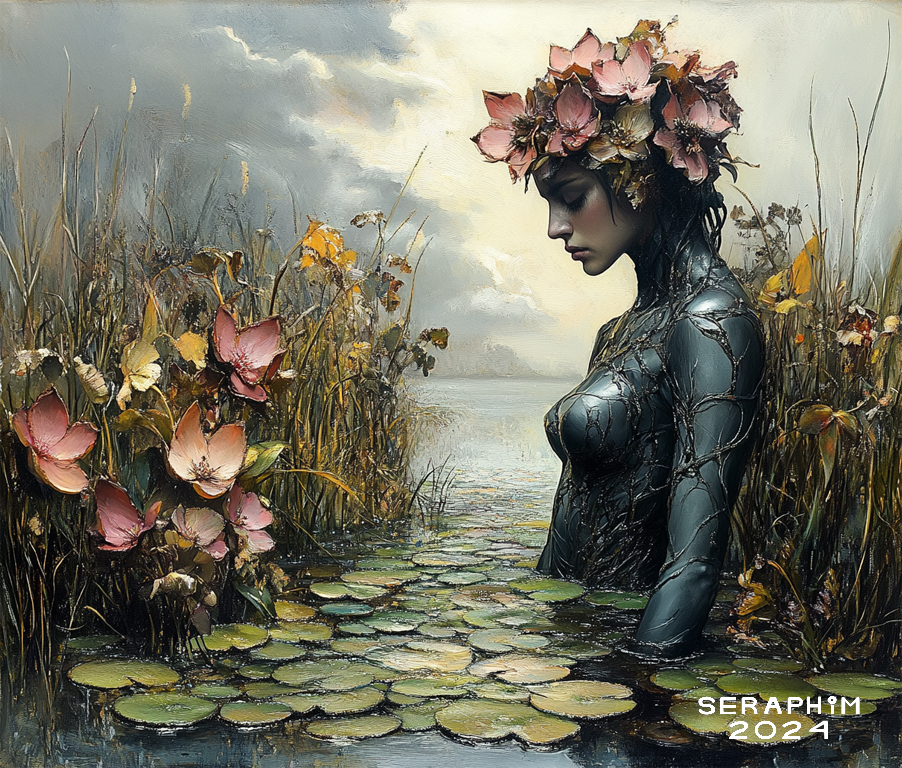
Swamp Things

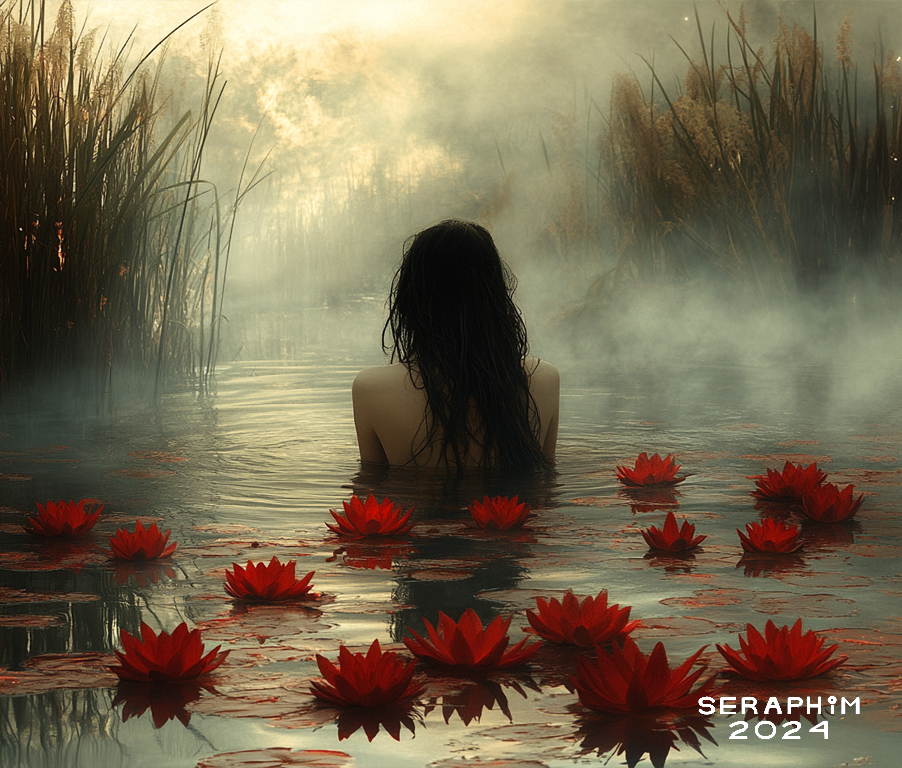
Our recent foray into Pre-Raphaelite-flavoured confection has entirely flavoured our ongoing play…

… we call this style ‘Neo-Raphaelitism’…

… it’s another dimension…

… no-one knows how they got here…

… or what they are even waiting for…

… but it feels right.

Pre-Raph Water Babies

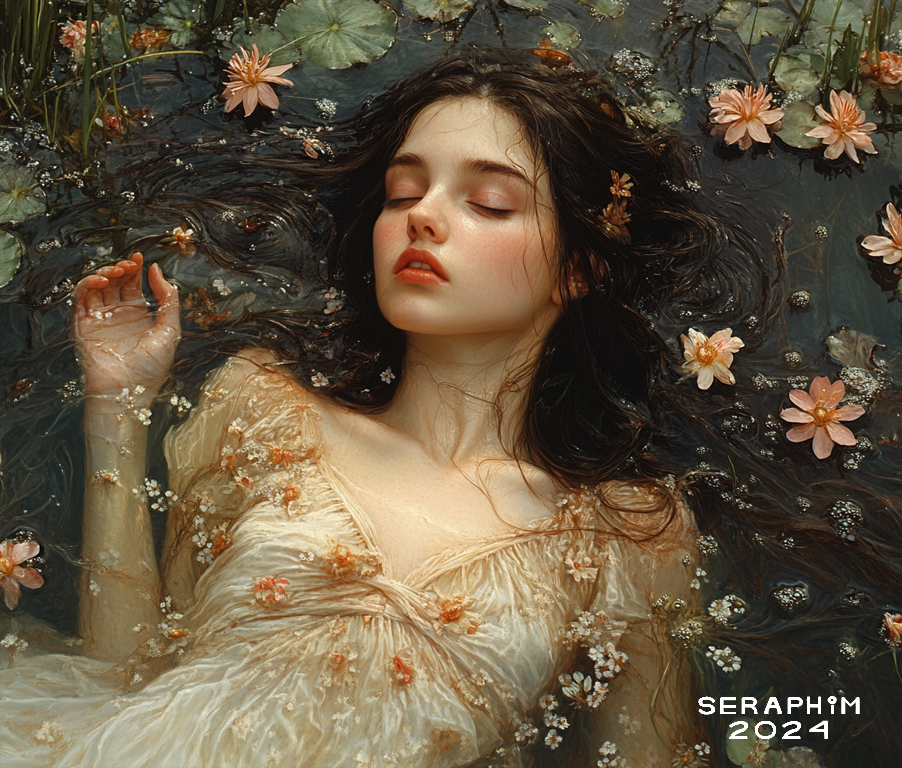
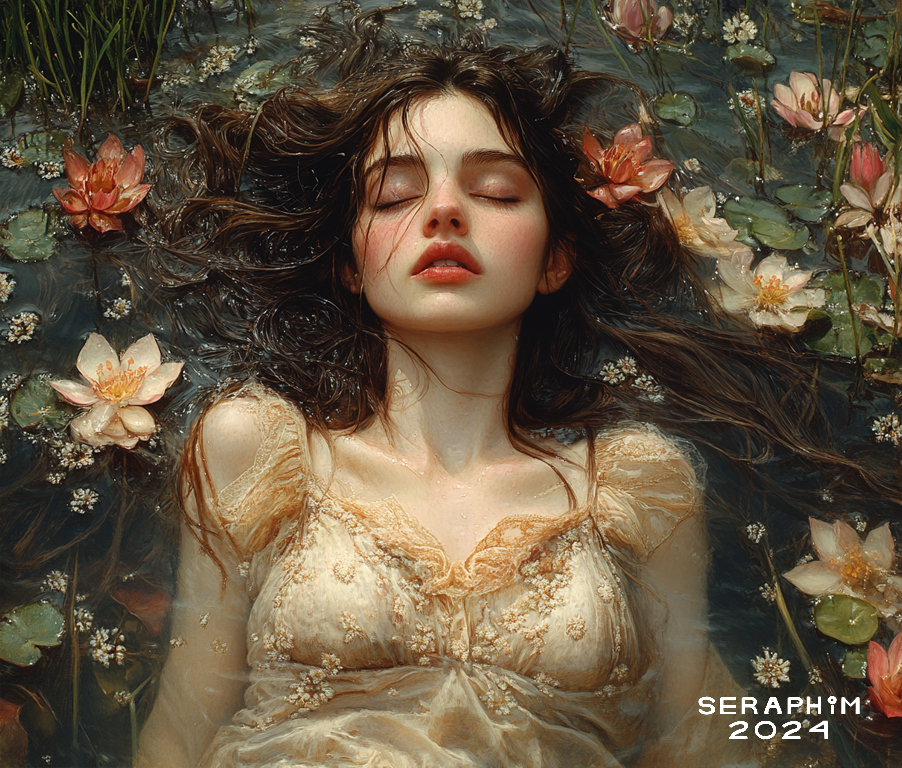
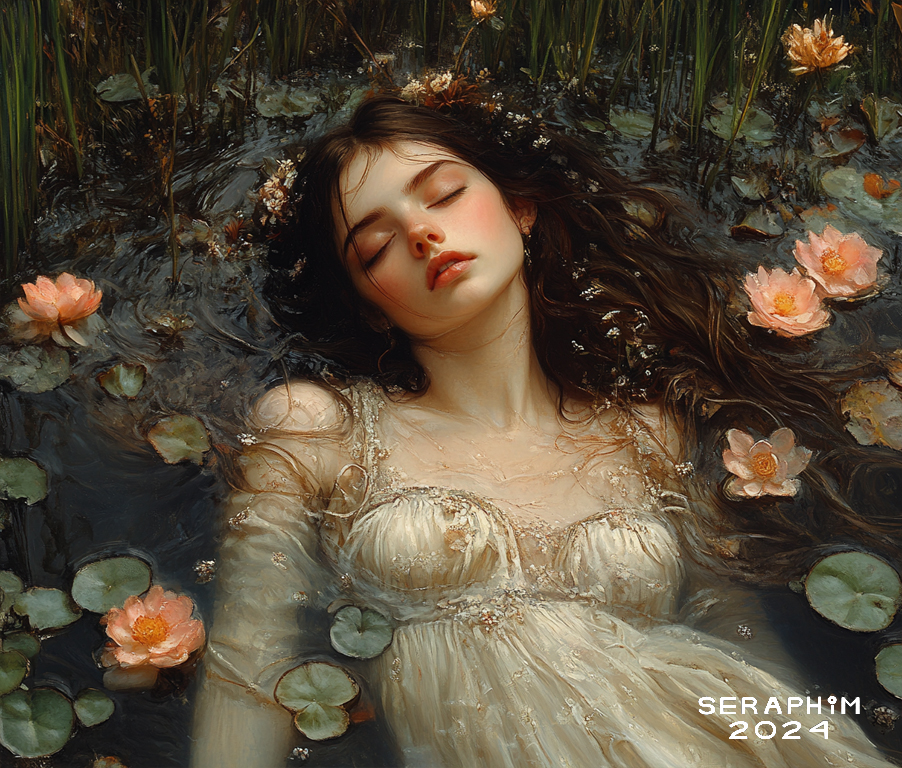
So… we put a lot of work into these gorgeous creatures…

… we wanted fabulous Pre-Raphaelite dreamy romanticism, water, beautiful Victorian gowns…

… and, of course, ethereally gorgeous Pre-Raph babies…

… if you’ve followed our Mj creativity rules, you’ll know we try very hard not to use cliched prompts, because the results are always cliched imagery…

… so we spent hours approaching these sleeping beauties by stealth, creating watery worlds (we love doing water in Mj) with reeds and lilies, without mentioning ‘Pre-Raphaelite’ in our prompts…

… until the last few hours, when we put ‘ophelia’ and ‘pre-Raphaelite’ into the prompts of the almost perfect images we had created, and these are the results…

… a wonderful collection of of Victorian maidens, contentedly sleeping in lily-filled swamps. We also have, as a spin-off from this exercise, a huge amount of less conventional ‘Ophelia-like’ imagery to develop.